Applied Behavioral Approaches
Our Services
For Children & Schools
Applied Behavioral Approaches offers comprehensive ABA therapy services for children with autism, specializing in early intervention for ages 2-6. Our research-based Early Learners program provides a fun, nurturing environment where your child can develop essential skills. We combine various ABA techniques to create individualized treatment plans that address your child's unique needs and goals. Our experienced therapists are dedicated to helping your child thrive.
We offer evidence-based behavior support for school-age learners (ages 7–13) using ABA to help children with autism and related developmental differences strengthen social skills, academic engagement, and daily living competencies. For school-aged children, ABA is a scientifically supported approach that improves communication, social participation, and adaptive behavior while reducing behaviors that interfere with learning and participation in school and community settings.
We know that effective school-based ABA consulting and behavior support are key to improving classroom behavior and student learning outcomes. Our school-based behavior consultants work collaboratively with educators, administrators, and support staff to deliver evidence-based behavior strategies, professional development, and classroom consultation that enhance academic engagement and social-emotional functioning for students with diverse needs. Through functional assessments, individualized intervention planning, and ongoing coaching, we help schools build positive, trauma-informed learning environments where students can thrive and teachers feel confident in applying practical behavior management tools and data-driven techniques.
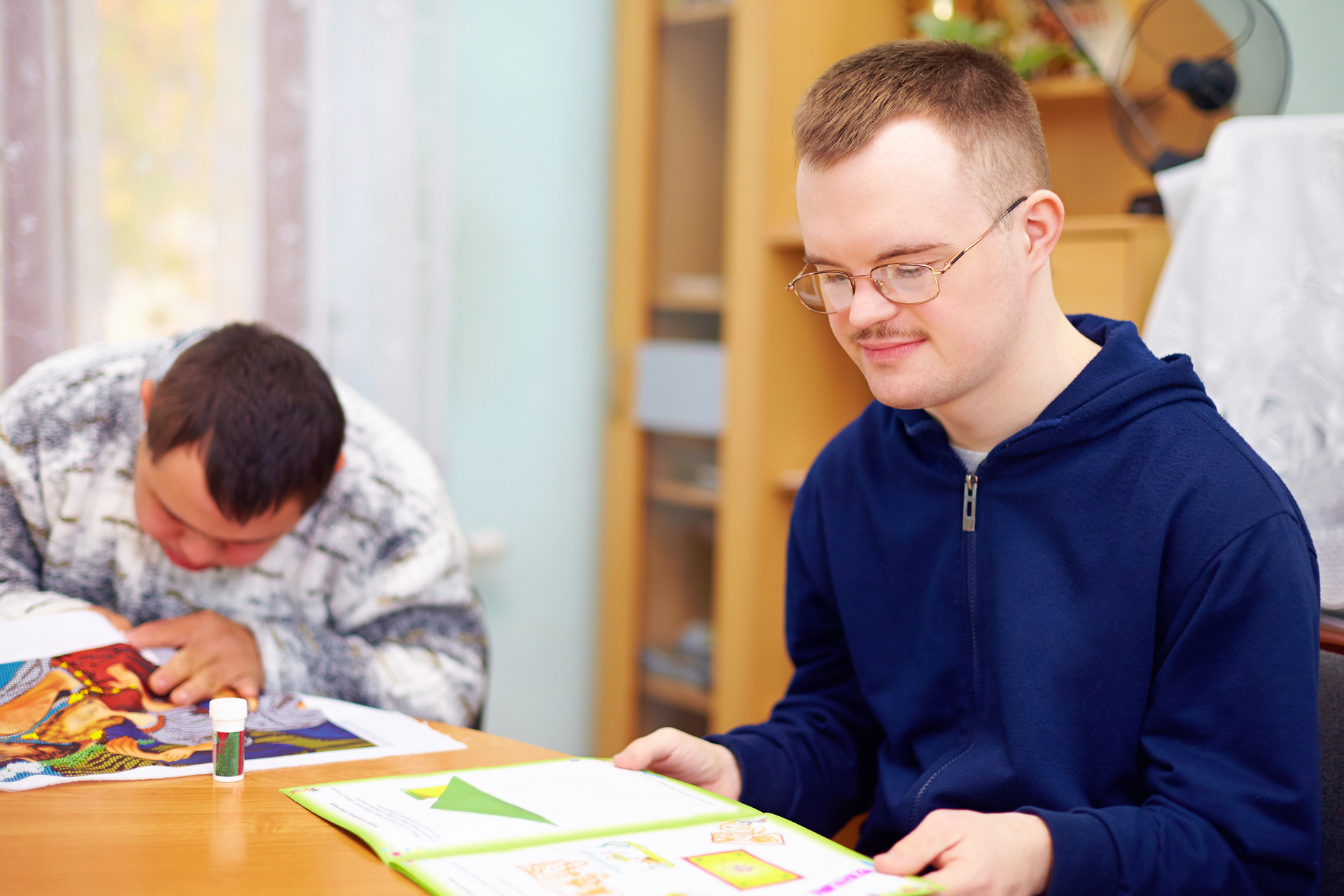
Adult ABA & Behavior Support - Waiver Services
We ABA therapy to adults by partnering with organizations such as
group homes, day habilitation (day hab) programs, and other provider agencies to deliver supports in
home, community, residential, and workplace settings, to ensure skill development occurs in the environments where adults live, work, and interact.